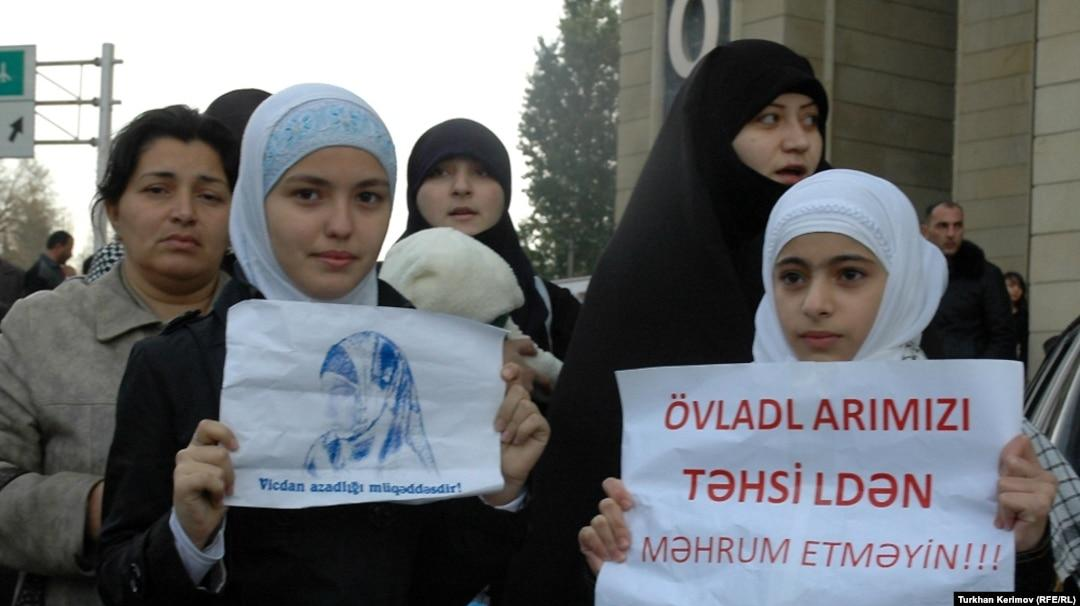
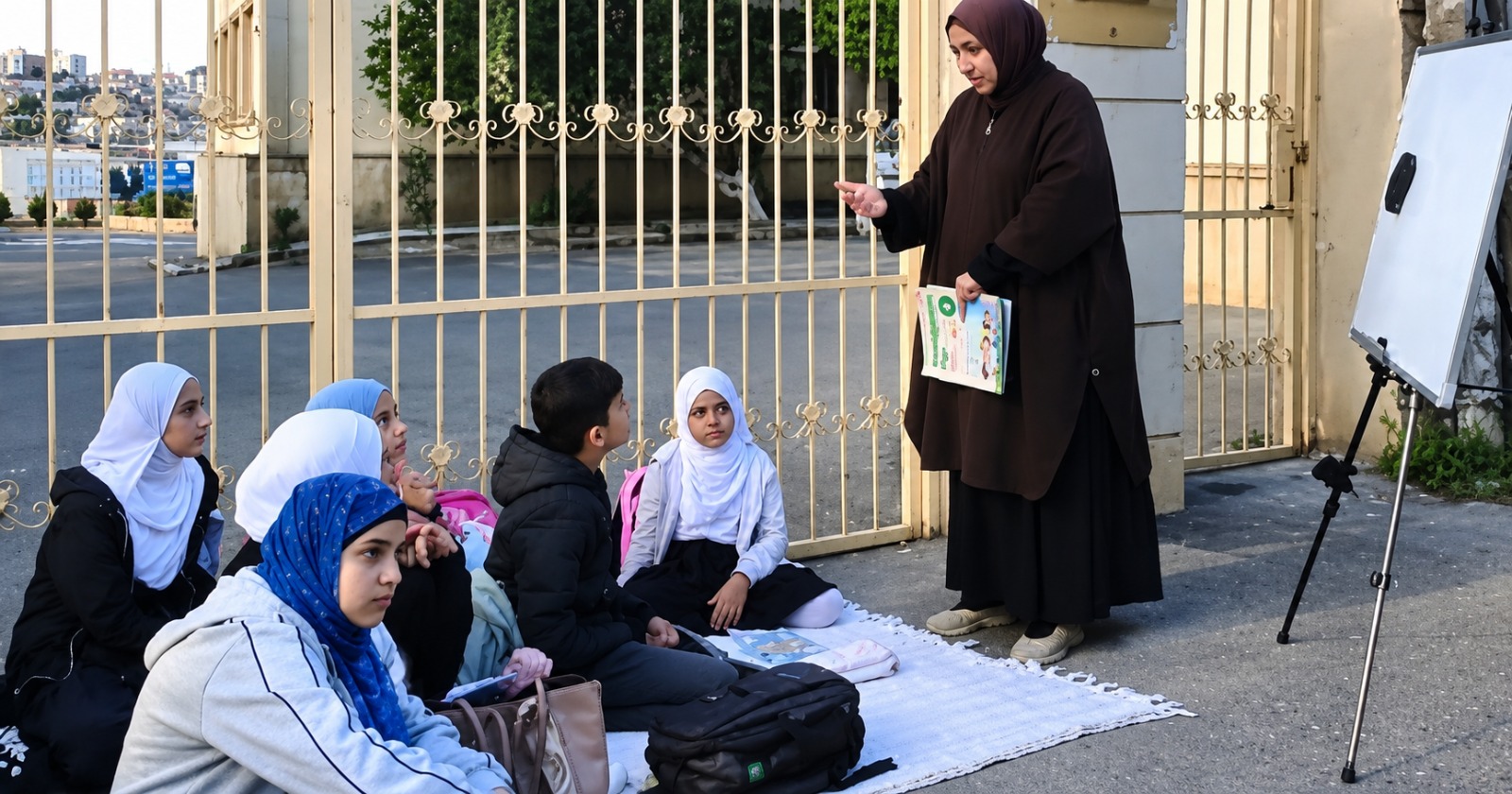
An Azerbaijani government decision to indirectly prohibit students and staff from wearing the hijab in schools has sparked protests. An amendment approved last month stopped short of explicitly banning the Muslim headscarf but prohibited clothing considered to violate the “principle of secularism”. As a result, some schools have begun preventing students and teachers wearing hijabs from attending classes.
Teacher Zahra Hasanova said she was informed that she could no longer wear the hijab at school. “To be honest, I am a little emotional. I am hurt,” she told Al Jazeera, adding that wearing the hijab should be a personal choice. The state-run Azerbaijani Press Agency (APA) said the amendment aimed to establish a unified dress code reflecting the country’s secular principles. However, around 96 percent of Azerbaijan’s population identifies as Muslim, and the country’s constitution guarantees religious freedom while defining Azerbaijan as a secular state.
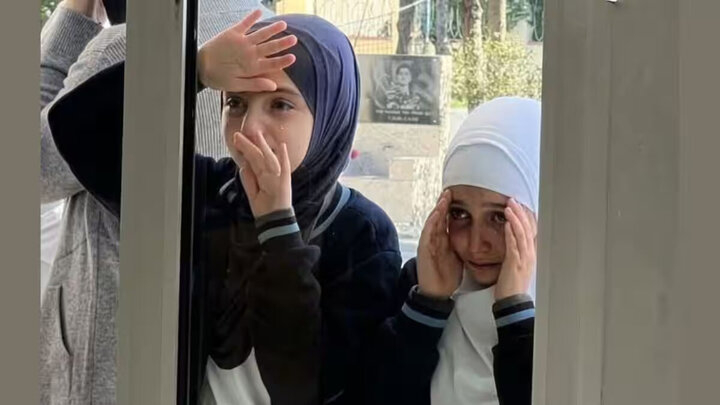
The restrictions have triggered protests and a social media campaign across Azerbaijan. Videos circulating online showed students hugging their teachers and crying as they were turned away from schools. Local media reported that students at least two schools boycotted classes in protest. Imprisoned journalist Polad Aslanov, who is serving a 113-year prison sentence after being convicted of high treason in 2020, also launched a hunger strike, saying he was protesting what he described as the trampling of constitutional rights.
The protests have also spread to Türkiye, where demonstrators gathered outside Azerbaijan’s consulate in Istanbul last week to oppose the restrictions affecting Muslim women and urge authorities in Baku to reconsider the decision. Some have compared the developments to Türkiye’s “post-modern coup” in 1997, when women wearing headscarves were barred from attending university classes, while some civil servants were dismissed or forced to resign.
Azerbaijani President Ilham Aliyev indirectly criticised the protests, warning against interference in the country’s way of life without explicitly mentioning Türkiye. Authorities in Ankara have not officially responded to his remarks. However, Turkish President Recep Tayyip Erdogan addressed the issue of discrimination against Muslim women in his September 23 speech at the United Nations General Assembly, highlighting concerns over the growing discrimination they face.



Comments
0