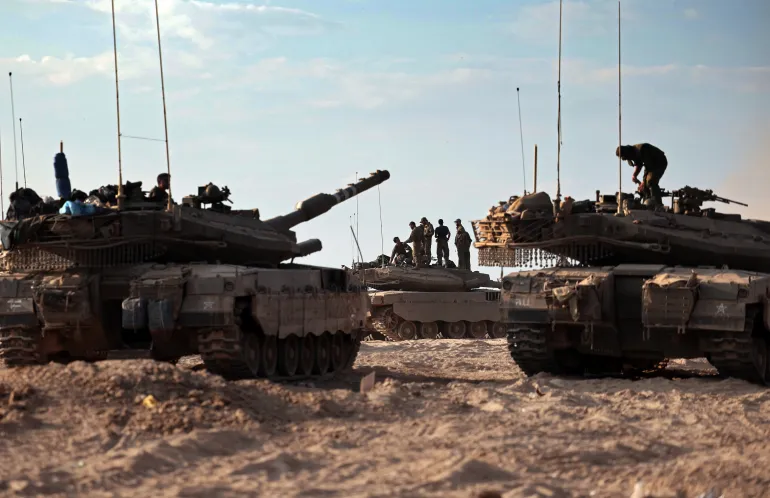
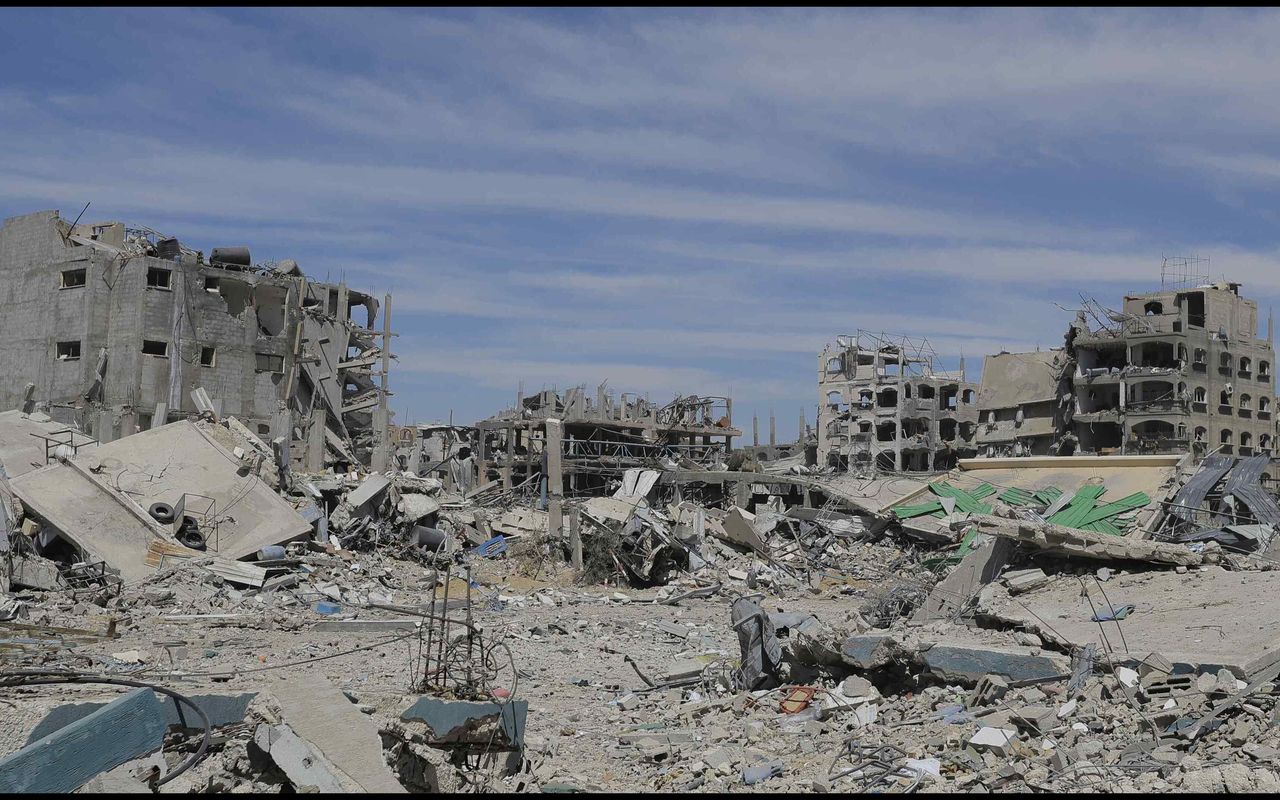
For the vast majority of Israelis, modern history is divided between the period before the Hamas-led attacks of October 7, 2023, and after. In the three years since Israel launched its genocidal war on Gaza, Israeli society has undergone fundamental changes, with collective trauma amplified by political rhetoric and media hysteria. Israel’s war has killed more than 74,000 Palestinians and expanded its attacks to several regional states, while the war on Gaza and settler pogroms in the occupied West Bank have contributed to Israel’s growing isolation from much of the world.
Daniel Bar-Tal, an Israeli political psychologist at Tel Aviv University, said October 7 shattered the myth of Israeli military invincibility. Before the attacks, a strong sense of confidence in Israel’s technological and military superiority was widespread, but that changed when Hamas and other groups stormed into Israel, killing nearly 1,200 people and taking about 250 others captive. “It disrupted [everything] immensely. It is a crisis that doesn’t leave the population,” Bar-Tal told Al Jazeera, while noting that many Israelis had been largely isolated from the consequences of the military’s actions in Gaza and the occupied West Bank. The attacks also shocked many Israelis amid concerns that Prime Minister Benjamin Netanyahu may have had prior intelligence about Hamas’s plans.
The fear and trauma of October 7 have also been used by political forces to push Israeli society further to the right and target Palestinians as a whole. Israeli sociologist Yehouda Shenhav-Shahrabani said political forces exploited genuine public fear to erase progress made in Jewish-Palestinian relations. Polls indicate a sharp rightward shift, with large numbers of Israelis supporting the execution of Palestinian prisoners accused of “terrorism”, the expansion of illegal settlements, and, according to a May 2025 survey by Penn State sociologist Tamir Sorek, the expulsion of Gaza’s residents. Shenhav-Shahrabani described October 7 as a “watershed moment” that severely damaged collective trust and normalised positions once considered extreme, while figures such as former Defence Minister Yoav Gallant and National Security Minister Itamar Ben-Gvir have used rhetoric and policies that further intensified anti-Palestinian sentiment.
However, anti-Palestinian repression did not begin with October 7. Rights groups and international bodies have traced such abuses back to the establishment of Israel in 1948, the forcible displacement of about 750,000 Palestinians and the destruction of Palestinian villages. In the years since, growing numbers of rights organisations have described Israeli rule over Palestinians as apartheid, while documenting military assaults on Gaza, settler violence, land seizures and attacks in the occupied West Bank. B’Tselem has recorded an escalation in violence, including 1,107 Palestinians killed in what it described as “a single political project” involving the Israeli military and settlers.
“October 7 allowed processes that were already under way to gain momentum and escalate,” said Yair Dvir of B’Tselem. He said the infrastructure of apartheid, repression and control over Palestinians had become more violent, while the broader trajectory of eliminating Palestinian collective existence had become clearer and more normalised. According to Dvir, this has been reflected through the war in Gaza, the ethnic cleansing and dismantling of Palestinian society in the West Bank, and growing discrimination and dehumanisation against Palestinian citizens of Israel.


Comments
0